
Condition
Nerve Pain
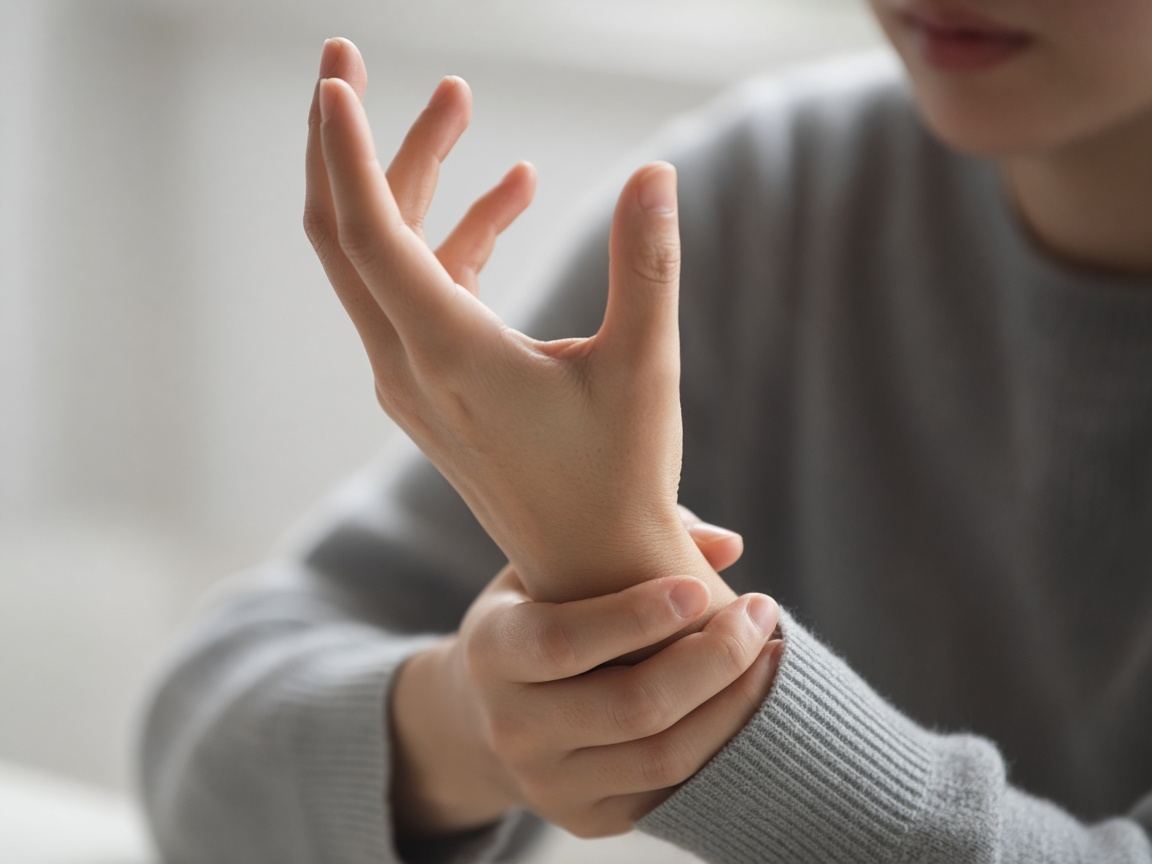
Nerve pain announces itself in language patients remember: lightning, fire, buzzing, wet-pain. It deserves more than a muscle relaxer and a wait.
The first job is working out where along the nerve the problem actually is, because the same burning line down an arm can start in three quite different places. It can be a nerve root compressed where it exits the spine, which produces symptoms in a predictable band that matches that root and usually changes with neck or back position. It can be entrapment further along — the ulnar nerve at the elbow, the median nerve at the wrist, the peroneal nerve at the knee — where the spine is innocent and the trouble is local. Or it can be both at once, a nerve already irritated centrally becoming symptomatic at a second point of compression it would otherwise tolerate.
Getting that wrong wastes months. Treating a wrist entrapment with lumbar decompression achieves nothing, and neither does treating a nerve root problem with wrist splints. So the exam maps the symptoms against dermatomes and myotomes, tests reflexes, strength, and sensation, and uses nerve tension testing to see whether the nerve reproduces symptoms when it is loaded. The description you give matters as much as any of it: where the line runs, what makes it worse, and whether anything makes it stop.
Treatment then follows the finding rather than the label. A compressed lumbar nerve root with a disc behind it responds to flexion-distraction and decompression, where a rotary adjustment would be too aggressive. A cervical root irritated by a stiff, closed-down segment responds to restoring motion at that level. Peripheral entrapment responds to soft tissue work at the actual site of compression and to changing whatever posture or activity keeps closing it. Acupuncture is genuinely useful when the nerve is loud and irritable and everything else is too provocative to start with.
There is one rule that overrides all of it. Nerve pain that is improving is a treatment case; nerve pain accompanied by weakness that is progressing is not. Numbness that is spreading, a foot that is starting to drop, a grip that is measurably failing — those get referred the same week, and any clinic that responds to progressive neurological loss by recommending more visits is one you should leave.
Chiropractic, decompression, and acupuncture all have a role depending on the exam. Progressive neurological loss is a medical escalation, not a “try six more visits” situation.
Related conditions
Services that often help
Doctors to start with
This complaint at a specific clinic
This page is the statewide guide. Each clinic site has its own address, doctors, and hours for nerve pain — that is the page to open if you already know which office you will attend.
FAQ
Is nerve pain always sciatica?
No. Cervical radiculopathy, peripheral entrapment, and other causes exist. Location and exam matter.
How do you tell nerve pain from muscle pain?
Mostly by how it is described and where it goes. Muscle pain is dull, achy, and stays roughly where the muscle is. Nerve pain is sharp, burning, or electric, it travels in a line rather than a region, and it often comes with numbness, pins and needles, or weakness. The exam then confirms it with reflex, strength, sensation, and nerve tension testing.
Do I need an MRI before treatment?
Usually not to start. Imaging is indicated when there is progressive weakness, when a red flag appears on exam, when the picture does not fit the mechanical pattern, or when a reasonable course of care has not changed anything. Ordering a scan reflexively for every case of nerve pain finds a great deal of incidental degeneration and answers very little.
How long should this take to improve?
Most mechanical nerve-root cases show meaningful change within two to four weeks. Not resolution — change. If four weeks of appropriate care has produced nothing at all, the working diagnosis is probably wrong, and the right response is to reassess or refer rather than to book another block of visits.
When is nerve pain an emergency?
Loss of bowel or bladder control, numbness through the saddle area, or weakness that is visibly getting worse from day to day. Those need an emergency department today, not an appointment next week. Sudden severe pain after significant trauma belongs there too.