
Family and Prenatal Chiropractor
Dr. Joelle Renaud, D.C., ICCSP
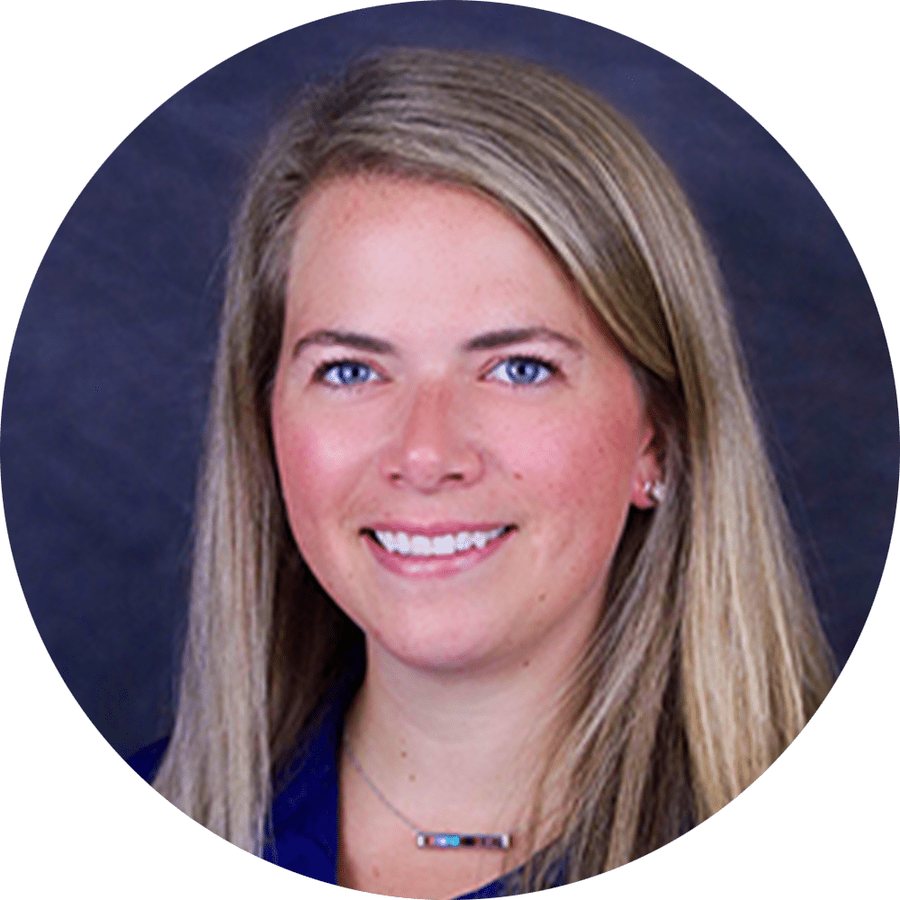
On the Pure Wellness team since 2011. Prenatal and family chiropractic in Newark with Webster, BIRTHFIT, and sports chiropractic credentials.
Dr. Joelle Renaud has been with Pure Wellness since 2011, with a strong focus on family and prenatal chiropractic care. She earned her Doctorate of Chiropractic from New York Chiropractic College and a B.Sc. in Kinesiology from the University of Waterloo.
She is Webster certified, trained in Kinesio Taping and BIRTHFIT, and holds ICCSP sports chiropractic credentials. Techniques include Diversified, myofascial release, Cox distraction, and Webster.
Newark patients who are pregnant, postpartum, or bringing children in usually ask for Dr. Renaud by name.
Where Joelle practises
Joelle practises out of a single Pure Wellness office, which keeps your file, your imaging, and your treating doctor in one building rather than spread across the state.
What Joelle treats
The complaints with the most reps on this schedule are prenatal care; family chiropractic; sports chiropractic. Alongside those, Joelle handles the everyday spinal and extremity work any general chiropractic practice sees — the stiff neck that will not turn, the low back that seized lifting something ordinary, the shoulder that has quietly stopped reaching overhead. Each link below opens the statewide write-up for that condition: what actually causes it, what an exam looks for, and when chiropractic is the wrong answer.
How Joelle adjusts
“Chiropractic” is not one procedure. The methods below are the ones Joelle is trained in, and the exam decides which of them you get. If a forceful adjustment is wrong for your age, your bone density, or an acutely inflamed joint, there is a low-force option that reaches the same joint a different way — you should be told which one you are getting and why before anyone touches you.
Diversified
The most widely taught hands-on adjustment in chiropractic, and the method most people picture when they think of seeing a chiropractor.
What it feels like: A quick, shallow thrust delivered by hand to a specific joint. You often hear a pop — that is gas releasing from the joint capsule, not bones cracking — and the whole contact lasts a fraction of a second.
Used for: Restoring motion to a spinal or extremity joint that has stopped moving through its normal range. It is the default starting point for most low back, mid back, and neck complaints.
Myofascial Release
Sustained hands-on pressure into the fascia — the sheet of connective tissue wrapping every muscle.
What it feels like: Slow, deep, and held. Unlike a massage stroke, the contact stays in one place until the tissue softens, which can take 90 seconds or more. It is often described as a good kind of uncomfortable.
Used for: Chronic tightness that returns between adjustments, scar tissue from old injuries, and cases where the joint moves fine but the surrounding tissue keeps pulling it back.
Cox Flexion-Distraction
A gentle, non-surgical decompression method performed on a table with a moving lower section.
What it feels like: You lie face down while the table slowly flexes and stretches the lumbar spine. It is rhythmic and repetitive rather than a single thrust, and most patients describe it as a relief rather than a jolt.
Used for: Disc herniation, sciatica, spinal stenosis, and lower back pain that gets worse with sitting. It is the technique of choice when a disc is involved and a rotary adjustment would be too aggressive.
Webster Technique
A specific sacral analysis and adjustment developed for pregnant patients, requiring separate certification.
What it feels like: Side-lying adjustment of the sacrum plus release of the round ligaments across the front of the abdomen. Tables are set up with cut-outs so you can lie comfortably through the third trimester.
Used for: Pregnancy-related low back and pelvic pain, and restoring balanced pelvic mechanics. It addresses the mother's alignment; it is not a procedure performed on the baby.
Education
- New York Chiropractic College — Doctor of Chiropractic
- University of Waterloo — B.Sc. Kinesiology
Honors
- ICCSP
- Webster certified
- Kinesio Taping certified
- BIRTHFIT
Associations
- Licensed in Delaware
- National Board of Chiropractic Examiners
- Delaware Chiropractic Services Network
Articles
Booking with Dr. Joelle Renaud, D.C., ICCSP
Where does Dr. Joelle Renaud practise?
Joelle sees patients at Pure Wellness Newark, 550 Stanton Christiana Rd Ste 302, Newark ((302) 365-5470). Appointments are booked through the clinic, not through a personal line.
What techniques does Dr. Joelle Renaud use?
Diversified, Myofascial Release, Cox Distraction, Webster. Which one you get is decided by the exam — age, bone density, whether a disc is involved, and how much force you can comfortably tolerate all change the answer.
What does Joelle treat most often?
Prenatal care; Family chiropractic; Sports chiropractic. Beyond those, Joelle sees the full range of spinal and extremity complaints that come into a general chiropractic practice.
How long is a first visit with Dr. Joelle Renaud?
Plan on 60 to 90 minutes. That covers history, orthopedic and neurological testing, measured range of motion, and a conversation about what the findings mean before any treatment starts. Follow-up visits are considerably shorter.
Does Joelle take my insurance?
Pure Wellness works with most major plans and will verify your specific benefits before your first appointment so there are no surprises. Send your details through the insurance verification form or call (302) 365-5470 and the front desk will check it for you.
Can I see Joelle for an auto accident or work injury?
Yes. Injury cases are documented to the standard that insurers and attorneys require, which means measured findings and scheduled re-examinations rather than a generic treatment note. Mention the crash or the incident when you book so the first visit is scheduled with enough time.