
Condition
Migraines
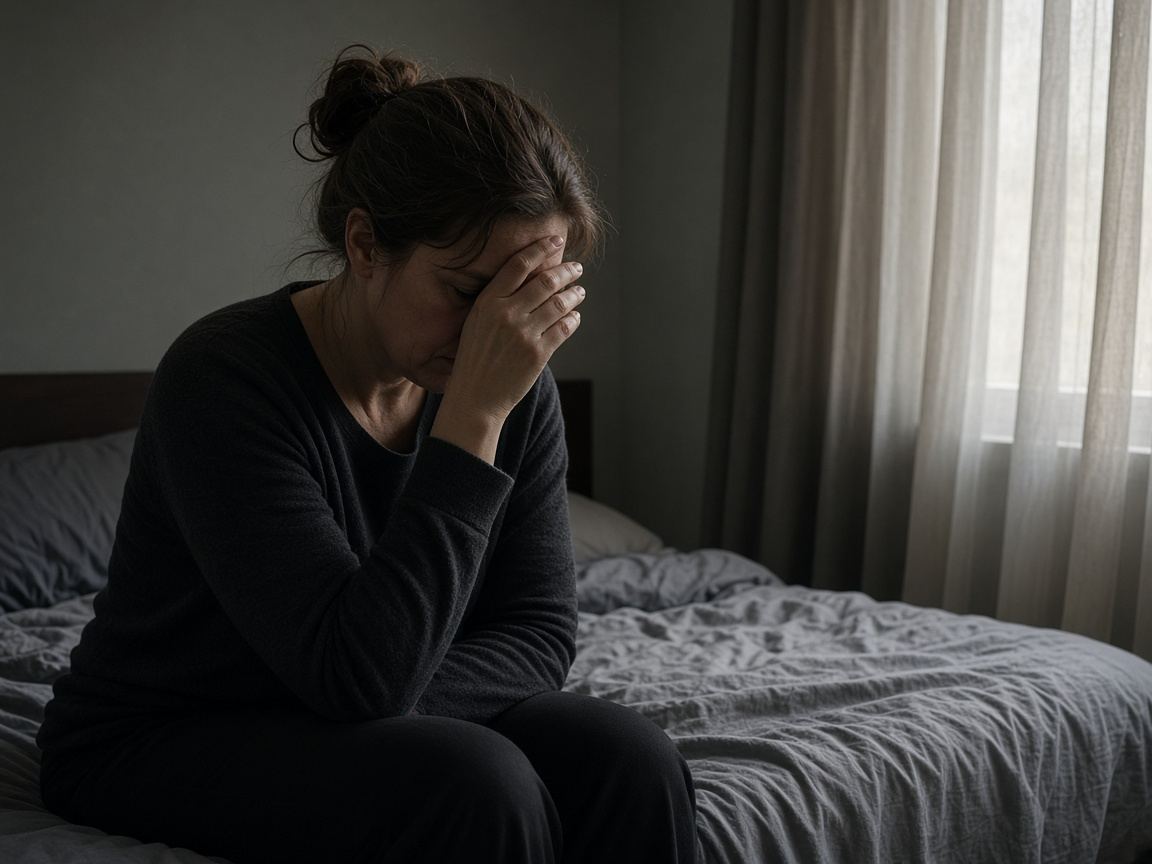
Migraine wrecks workdays in Wilmington offices, UD classes, and Dover state jobs. Light, sound, nausea, and one-sided pain are migraine language. A neck that never unloads is often in the same chart.
Pure Wellness exams the cervical spine and TMJ, then uses specific adjusting, muscle work, and acupuncture when the autonomic load is loud. Dr. Johnson in Wilmington sees this overlap constantly. That is a pattern, not a promise that your next attack disappears.
Keep your neurologist. Keep your abortive plan. Use this clinic for the mechanical chapter — screens, commuting on I-95, jaw clenching, and the joints that refer to the head. Tension and cervicogenic pain that is not migraine gets a different exam.
The most useful concept for a migraine patient is threshold. Migraine is not caused by any single trigger; it happens when the total load of contributing inputs crosses a level the nervous system can no longer absorb. Poor sleep alone might not do it. Poor sleep plus a skipped lunch plus a week of neck pain from a laptop setup does. That model explains why the same glass of red wine is fine on one occasion and not on another, and it explains where manual therapy genuinely fits: not as a cure, but as one input that can be lowered.
The neck's role is anatomically real. Sensory fibres from the upper three cervical segments converge with the trigeminal nerve at the trigeminocervical nucleus in the brainstem — the same structure that becomes sensitised during migraine. Sustained nociceptive input from irritated upper cervical joints or chronically loaded suboccipital muscles feeds directly into a pathway that is already running hot. Neck pain is reported by a large majority of migraine patients, more commonly than nausea, and in many cases it is present before the headache rather than as a consequence of it.
So the examination looks for cervical dysfunction that is actually contributing rather than assuming it. Upper cervical segmental motion, rotation tested in flexion to isolate C1-C2, palpation for reproduction of familiar symptoms, jaw and masticatory muscle assessment because clenching is common in migraine patients, deep neck flexor endurance, and thoracic mobility. Where those findings are present, treating them is reasonable. Where the neck examines clean, we say so instead of treating it anyway.
Treatment on our side is upper cervical and thoracic manual therapy, soft-tissue work through the suboccipital and jaw muscles, and acupuncture, which has a better evidence base in migraine prophylaxis than most complementary approaches and is a fair option for patients who cannot tolerate preventive medication. Massage helps the muscular load between attacks. None of it is offered as a replacement for neurological care, and we will happily write to a neurologist rather than run a parallel plan.
Sleep, hydration, meal regularity, and caffeine consistency do more for attack frequency than most patients expect, and they are unglamorous enough to be widely ignored. Caffeine in particular cuts both ways — it can abort an attack and it can cause one on withdrawal, so a steady intake beats a variable one. Regular aerobic exercise has reasonable evidence as a preventive.
The features that mean neurology rather than us, promptly: a headache that reaches maximum intensity within a minute, a first migraine-like headache after fifty, aura that is always on the same side or lasts more than an hour, aura without headache in someone with no history of it, any weakness or speech disturbance, or a clear change in the pattern of long-standing migraines.
Related conditions
Services that often help
Doctors to start with
This complaint at a specific clinic
This page is the statewide guide. Each clinic site has its own address, doctors, and hours for migraines — that is the page to open if you already know which office you will attend.
FAQ
Can a chiropractor treat migraines?
We treat neck, jaw, and muscle drivers that often sit underneath migraine. We do not claim to cure migraine or replace your neurologist or abortive medication.
Is this the same as a tension headache?
No. Tension and cervicogenic headaches are a mechanical pattern. Migraine has a different neurological story. Many patients have both, which is why we exam instead of guessing from a name.
Are neck adjustments safe if I get migraines?
We screen history, including vascular risk. Low-force options exist. Sudden worst headache of your life is emergency care, not chiropractic.
What is actually happening during a migraine?
Current understanding places the origin in the brain rather than in blood vessels, which was the older explanation. A wave of altered electrical activity spreading across the cortex produces the aura where one occurs, and activation of the trigeminovascular system — the same brainstem region that receives input from the upper neck — produces the pain and the release of inflammatory neuropeptides. That shared brainstem relay is precisely why neck input can influence migraine even though the neck is not the cause.
Can neck treatment reduce how often I get attacks?
For some patients, modestly. Where there is genuine cervical dysfunction alongside migraine — and there very often is — treating it can lower the overall load on that shared brainstem pathway and reduce the number of days on which the threshold is crossed. What it will not do is treat the underlying neurological condition. We frame it as removing one contributing input, not as a cure, because that is what the evidence supports.
What is vestibular migraine?
Migraine where dizziness or vertigo is a dominant feature, sometimes without any headache at all. It is one of the commonest causes of recurrent vertigo in adults and is frequently mistaken for an inner-ear or neck problem for years. If your dizziness comes in episodes lasting minutes to hours with light and sound sensitivity, and you have a history of migraine, that is worth raising with a neurologist rather than treating as cervicogenic.
Should I keep taking my medication?
Yes. Nothing we do replaces an abortive medication for an attack in progress or a preventive prescribed by a neurologist, and stopping either because you have started manual therapy is a bad trade. The one thing worth reviewing with your prescriber is frequency of acute medication use, because taking it on more than ten to fifteen days a month can itself sustain a daily headache.
What triggers should I actually pay attention to?
The reliable ones are less exotic than the lists suggest: irregular sleep, skipped meals, dehydration, alcohol, hormonal cycle, and stress — including the let-down after stress, which is why weekend attacks are so common. Many suspected food triggers turn out to be cravings during the early phase of an attack that was already starting. A diary over six to eight weeks separates real patterns from coincidence better than any elimination diet.